It’s a running team joke that I’m “Dr. Scott.” I’m the type of person who keeps a bunch of useful stuff in my field bag, including a whistle, nail clippers, a folding knife (for shotguns), and a basic medical kit. If I see a new bandage type that looks promising, I’ll try it, so my kit now has several types because different ones work better in specific scenarios.

For initial application on small-to-medium cuts and abrasions, I like various sizes of Band-Aid Skin-Flex. The primary benefit is the flexibility of the fabric that prevents edges from coming up due to movement, and most sizes have a 4-way seal (requirement for me). Important: they’re relatively cheap, which is nice since they’re not waterproof and may need to be changed once the pad becomes saturated. I see these as getting someone through the game and to their next shower. However, they do adhere well enough that for very small/clean cuts, I often wear them through two or three showers and simply let them dry afterward.
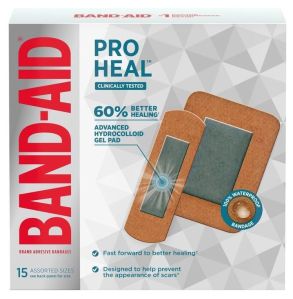
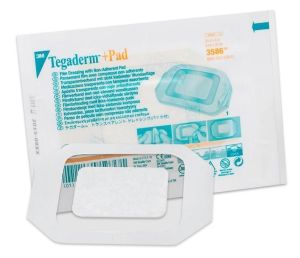
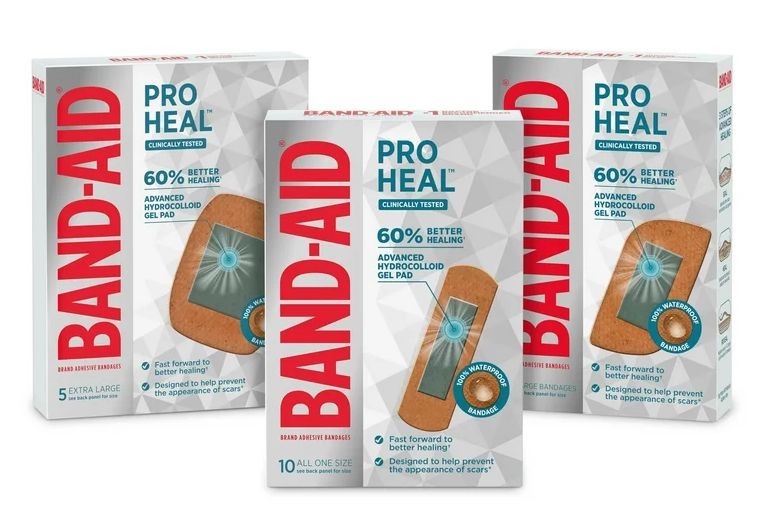
For wounds that have stopped bleeding/weeping, I’ve started transitioning to Band-Aid Pro Heal. This line is a significant improvement to the previous Water Block Flex, which didn’t actually flex and had only moderate adhesion. The Pro Heals can absorb a small amount of fluid, have a moderate amount of flex, are waterproof, and stick well. If they are applied to dry and relatively flat skin, allowed a few minutes to adhere, and don’t experience extreme pressure/friction, they normally seal the wound for 4-5 days. I previously used 3M Tegaderm Plus Pad for this stage, and still do with larger wounds or ones that are still weeping a bit. But the film can be finicky to apply, and it often bunches on uneven surfaces, allowing fluid to get in and out.
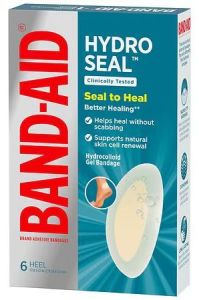
For high-friction areas that either only need to be protected (heels, toes) or small wounds that are not actively bleeding/weeping, I like Band-Aid Hydro Seal. They are thicker and firmer than fabric bandages, so they offer some protection from impact. The top is also smooth, which allows socks and other fabrics to move over them easily. This is a good, durable option for applying the morning after a small cut, but maybe not a burn since those normally weep at least a day. If you apply one of these to any wound that is generating any real amount of fluid (including a freshly-popped blister), it’ll quickly leak and maybe even fall off because it doesn’t have any sort of absorption pad. Unfortunately, Band-Aid seems to be phasing out the Blister Toe shape/size that was very useful for both fingers and toes. I tried three other brands, and unfortunately, Amazon’s was the best by far.
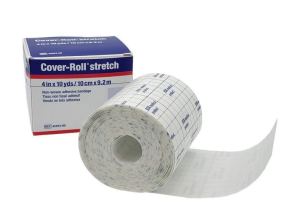
BSN Cover-Roll is probably the most useful overall thing in my kit. For most in-game situations, I’m applying to sweaty skin, and the bandage is going to experience at least moderate friction as soon as the player gets back on the field. In those situations, cover wrap is invaluable because it adheres better to skin (larger surface area), and in most cases, I can wrap it completely around the appendage. The wrap adheres to itself extremely well, so two layers will stay on in nearly any situation. My normal example story: a teammate’s toes starting splitting in their folds on the first day of a beach tournament. I cut down some hydrocolloid bandages to size, then put three layers of cover wrap over each with a decent amount of tension (to minimize the edges flipping). The bandages stayed in place through three games that day, a shower that night, and two games the next day. She later told me it was even a little difficult cutting them off when she got home.
Cover wrap is also very useful for protection. I have small bony knobs on the fronts of my knees (from Osgood-Schlatter Disease as a teenager), and I’ll often apply small patches of cover wrap to those when I’m playing on turf without tights. I know people who wear it on their hamstring/hip (sliding), elbows (diving), and even heels/toes since it’s more adhesive and flexible than traditional athletic tape.
Cover wrap has to be cut, and Leatherman Raptor Shears are my favorite for field kit scissors because they fold up.
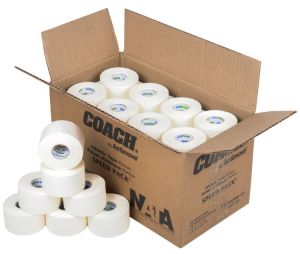
Speaking of athletic tape: for proactive non-wound foot protection and ankle stabilization, it’s always good old Coach athletic tape, now made by Actimove instead of Johnson and Johnson. It rips easily and has just the right amount of stick. Considering going in with friends to get a 32-roll box to save money per-roll.


Leave a Reply